AI Disruption Is Not the Threat — The Absence of Guardrails Is
Are gvernments protecting our jobs?
Original post: https://www.linkedin.com/posts/asher-cassetto_artificialintelligence-futureofwork-jobmarket-activity-7385969280095309824-4d9f
AI (what we're calling the current machine learning technology) is transforming the digital economy as profoundly as the web did for local shops or the mouse did for terminals. Whether we like it or not, this wave is rewriting how businesses operate — from advertising to creative agencies to enterprise software models.
Costs are still high. Running large AI models is CPU/GPU intensive and wasteful for many current use cases. Yet history shows costs will drop, infrastructure will scale, and adoption will follow — just as cloud computing did. Even Google, facing disruption in search and ad revenue, will adapt through new models and stronger positions in cloud and enterprise AI.
The real issue is not whether AI will change our world. It already has. The issue is what happens to jobs, contracts, and fair compensation during that transition.
Categories at Risk
-
Creative and Digital Agencies – Stock photo, copywriting, design, and portfolio-driven work are being automated faster than contracts evolve.
-
Software Development – Routine coding and maintenance are being offloaded to copilots and AI agents, reducing entry-level opportunities.
-
Customer Support and Operations – AI chat systems cut support costs but erode stable employment.
-
Marketing and Advertising – Automated campaign optimization threatens roles built on manual tuning and analytics.
What Needs Urgent Action
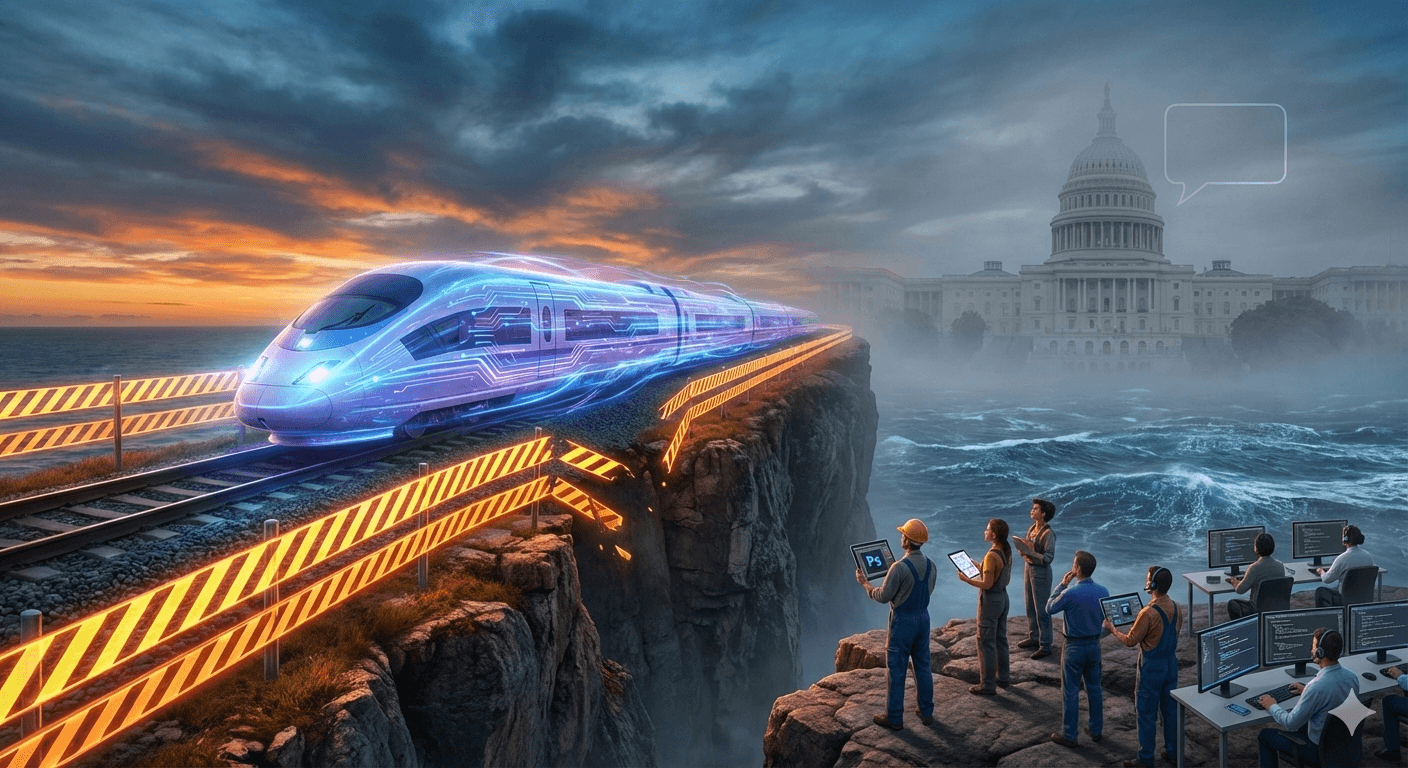
We don’t need to slow innovation. We need guardrails:
Clear labor frameworks: redefine intellectual property, authorship, and ownership of AI-generated work.
Transparent AI accountability: traceability for automated decisions that affect employment and contracts.
Social and fiscal safety nets: incentives for reskilling, portable benefits for gig workers, and taxation models that reflect AI productivity gains.
Regulated workforce transitions: no mass layoffs tied solely to AI licensing or deployment. Companies must justify role reductions, preserve contract integrity, and provide transition or retraining programs before termination.
Governments have been reactive for too long. The danger is not the technology itself but the vacuum of governance around it.
Leaders, policymakers, and investors must step in now. The AI revolution will not wait — but neither should our labor protections.
#ArtificialIntelligence #FutureOfWork #JobMarket #AIethics #TechPolicy #DigitalTransformation #Automation #AIregulation #Innovation #Leadership #PublicPolicy #FutureReady #ResponsibleAI #AIandWork #WorkforceTransformation